top of page
MOHAMED ESSMAT

Follow me


IT Director | Leader Technology | Global CIO 200 Award Winner


𝗔𝗜 𝗚𝗼𝘃𝗲𝗿𝗻𝗮𝗻𝗰𝗲 𝗢𝗽𝗲𝗿𝗮𝘁𝗶𝗻𝗴 𝗠𝗼𝗱𝗲𝗹: 𝗙𝗿𝗼𝗺 𝗣𝗼𝗹𝗶𝗰𝘆 𝘁𝗼 𝗣𝗿𝗮𝗰𝘁𝗶𝗰𝗲
𝗔𝗜 𝗚𝗼𝘃𝗲𝗿𝗻𝗮𝗻𝗰𝗲 𝗢𝗽𝗲𝗿𝗮𝘁𝗶𝗻𝗴 𝗠𝗼𝗱𝗲𝗹: 𝗙𝗿𝗼𝗺 𝗣𝗼𝗹𝗶𝗰𝘆 𝘁𝗼 𝗣𝗿𝗮𝗰𝘁𝗶𝗰𝗲 🚀 When an AI system makes a decision that affects your business, who is accountable, and who has the authority to stop it? An AI Governance Operating Model makes those answers clear. It translates governance principles into responsibilities, approval processes, controls, and everyday decisions. Here is a practical structure I would use: 🔹 𝟭. 𝗗𝗶𝗿𝗲𝗰𝘁𝗶𝗼𝗻 & 𝗢𝘃𝗲𝗿𝘀�

Mohamed Essmat
Oct 172 min read


🔍 Mapping ISO/IEC 42001 with NIST AI RMF: Connecting AI Governance to Risk Management
🔍 Mapping ISO/IEC 42001 with NIST AI RMF: Connecting AI Governance to Risk Management As organizations adopt AI, leaders need clear accountability, practical risk assessments, and evidence that controls work. ISO/IEC 42001 and the NIST AI Risk Management Framework can support this through complementary approaches: 🔹 ISO/IEC 42001 establishes requirements for an Artificial Intelligence Management System (AIMS), embedding governance and continual improvement into organization
Mohamed Essmat
Oct 122 min read


🧠 𝗗𝗲𝗲𝗽 𝗟𝗲𝗮𝗿𝗻𝗶𝗻𝗴 𝗘𝘅𝗽𝗹𝗮𝗶𝗻𝗲𝗱: 𝗙𝗿𝗼𝗺 𝗟𝗮𝘆𝗲𝗿𝘀 𝘁𝗼 𝗕𝘂𝘀𝗶𝗻𝗲𝘀𝘀 𝗩𝗮𝗹𝘂𝗲
🧠 𝗗𝗲𝗲𝗽 𝗟𝗲𝗮𝗿𝗻𝗶𝗻𝗴 𝗘𝘅𝗽𝗹𝗮𝗶𝗻𝗲𝗱: 𝗙𝗿𝗼𝗺 𝗟𝗮𝘆𝗲𝗿𝘀 𝘁𝗼 𝗕𝘂𝘀𝗶𝗻𝗲𝘀𝘀 𝗩𝗮𝗹𝘂𝗲 How can AI recognize an image, understand speech, or generate meaningful text? Deep learning provides much of the foundation. It is a subfield of machine learning that uses artificial neural networks with multiple layers to learn complex patterns from data. In image recognition, for example, earlier layers may detect edges and textures, while deeper layers combine those pat
Mohamed Essmat
Oct 102 min read


🔍 ISO/IEC 42001 Deep Dive: Turning Responsible AI into Everyday Practice
🔍 ISO/IEC 42001 Deep Dive: Turning Responsible AI into Everyday Practice When AI influences business decisions, accountability needs to be clear. Who approves its use? Who evaluates its risks? Who monitors its impact, and who intervenes when something goes wrong? ISO/IEC 42001:2023 provides requirements for an Artificial Intelligence Management System (AIMS), helping organizations govern how they develop, provide, and use AI responsibly. It applies to organizations using AI,
Mohamed Essmat
Oct 82 min read


The value of assurance depends on whether it addresses the risks that could prevent the organization from achieving its objectives.
The value of assurance depends on whether it addresses the risks that could prevent the organization from achieving its objectives. For risk and audit leaders, this means looking beyond individual controls to understand how risks connect across the enterprise. Faster change, interconnected suppliers, evolving regulation, AI adoption and growing reliance on digital services are widening the scope of assurance. Traditional assurance remains essential. Its effectiveness depends
Mohamed Essmat
Oct 22 min read


𝗧𝗵𝗲 𝗳𝘂𝘁𝘂𝗿𝗲 𝗼𝗳 𝘁𝗵𝗲 𝗖𝗜𝗦𝗢 𝗿𝗼𝗹𝗲: 𝗹𝗲𝗮𝗱𝗶𝗻𝗴 𝘀𝗲𝗰𝘂𝗿𝗶𝘁𝘆 𝘁𝗵𝗿𝗼𝘂𝗴𝗵 𝗮 𝗯𝘂𝘀𝗶𝗻𝗲𝘀𝘀 𝗹𝗲𝗻𝘀.
𝗧𝗵𝗲 𝗳𝘂𝘁𝘂𝗿𝗲 𝗼𝗳 𝘁𝗵𝗲 𝗖𝗜𝗦𝗢 𝗿𝗼𝗹𝗲: 𝗹𝗲𝗮𝗱𝗶𝗻𝗴 𝘀𝗲𝗰𝘂𝗿𝗶𝘁𝘆 𝘁𝗵𝗿𝗼𝘂𝗴𝗵 𝗮 𝗯𝘂𝘀𝗶𝗻𝗲𝘀𝘀 𝗹𝗲𝗻𝘀. Every decision to adopt AI, launch a digital service, or rely on a third party also creates decisions about risk, trust, and resilience. That places the Chief Information Security Officer at an important intersection of technology, governance, and business strategy. For security leaders, the challenge is to turn technical knowledge into decisions tha
Mohamed Essmat
Sep 292 min read


🔷 The Future of Risk Management Is Specialized , But Integrated
🔷 The Future of Risk Management Is Specialized , But Integrated The days of managing every major risk through one generic risk function are fading. Modern organizations face an increasingly interconnected risk landscape: 💰 Financial Risk ⚙️ Operational Risk 🔐 Cybersecurity Risk 💻 Technology Risk ⚖️ Regulatory & Compliance Risk 🤖 AI & Emerging Technology Risk 🤝 Third Party Risk 🔄 Business Resilience & Continuity Risk Each domain requires deeper expertise. But specializa
Mohamed Essmat
Sep 51 min read


🤖 The 4 Layers of AI Governance: From Principles to Control
🤖 The 4 Layers of AI Governance: From Principles to Control As AI becomes embedded in business operations and decision-making, organizations need more than an AI policy. They need a governance structure that connects strategy, risk, technology, and ongoing assurance. A practical AI Governance model can be built around 4 key layers: 1️⃣ Strategic Governance: Sets the direction and accountability for AI. 🔹 AI strategy aligned with business objectives 🔹 Executive ownership &
Mohamed Essmat
Aug 292 min read
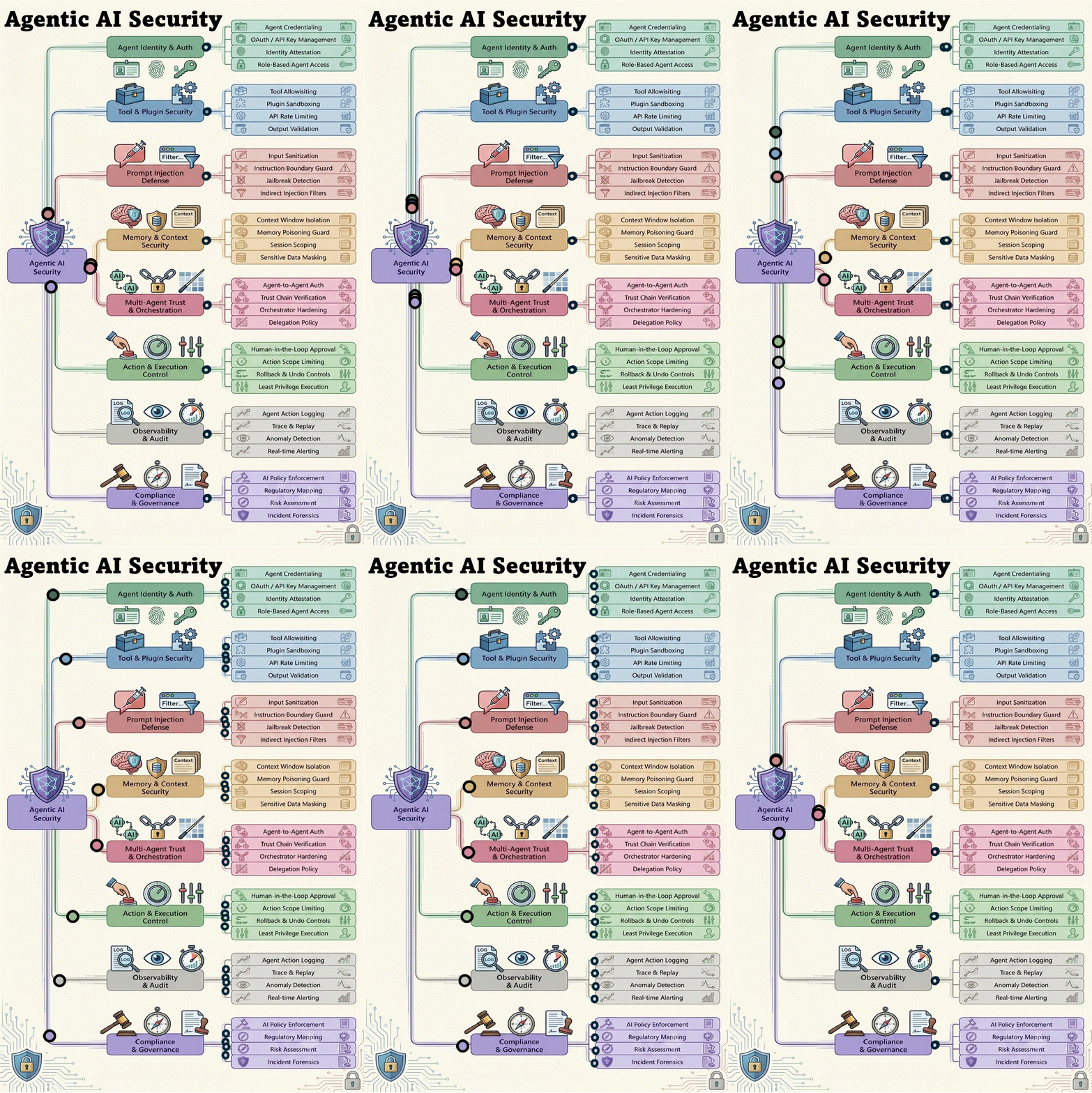
🔐 Agentic AI Security: Securing AI That Can Act
🔐 Agentic AI Security: Securing AI That Can Act We are moving from Generative AI that responds to Agentic AI that acts. AI agents can reason, access tools, call APIs, interact with systems, make decisions, and execute actions autonomously. This creates huge business opportunities , but also introduces a completely new attack surface. The Agentic AI Security market is projected to grow from USD 1.65B in 2026 to USD 13.52B by 2032, at a 42% CAGR. So, what needs to be secu
Mohamed Essmat
Aug 241 min read


🤖 Who is accountable when AI makes the wrong decision?
🤖 Who is accountable when AI makes the wrong decision? The developer who built the model? The IT team that deployed it? The business unit using it? The vendor providing it? Or senior management who approved its use? As AI becomes embedded in hiring, finance, cybersecurity, customer service, risk management, and operational decisions, one principle must remain clear: AI can make decisions. AI cannot take accountability. Accountability must remain human and organizational. Eve
Mohamed Essmat
Aug 92 min read


🤖 Everyone is asking whether AI is powerful.
🤖 Everyone is asking whether AI is powerful. Very few are asking the more important question: Is your AI governed securely? Many organizations have already adopted AI to improve productivity, automate decisions, and accelerate innovation. But without proper governance, AI can quickly become a source of risk rather than value. Before deploying any AI system, leaders should be able to answer these questions: ✅ Who is accountable for AI decisions? ✅ How are AI risks identified,
Mohamed Essmat
Jul 271 min read


🚀 GRC Is Not About Compliance. It's About Confidence.
🚀 GRC Is Not About Compliance. It's About Confidence. Many organizations still view Governance, Risk, and Compliance (GRC) as a collection of policies, audits, and compliance checklists. That mindset is no longer enough. Modern GRC is the foundation that connects strategy, governance, risk management, internal controls, regulatory compliance, cybersecurity, third party risk, business resilience, and AI governance into a single operating model. An effective GRC program enable
Mohamed Essmat
Jul 242 min read


🤖 Human Oversight in Agentic AI: The Control That Matters Most:-
🤖 Human Oversight in Agentic AI: The Control That Matters Most:- As AI systems evolve from generating content to making decisions and taking actions, human oversight becomes a critical governance requirement, not an optional feature. Agentic AI can plan, reason, use tools, and execute multi step workflows with minimal intervention. But greater autonomy also introduces greater risk. Effective human oversight should ensure: 🔹 Human in the Loop (HITL): Approval before executin
Mohamed Essmat
Jul 31 min read


🚀 AI Assurance Programs: Building Trust in Enterprise AI:-
🚀 AI Assurance Programs: Building Trust in Enterprise AI:- As AI becomes embedded in critical business processes, the question is no longer "Can AI deliver value?" it's "Can we trust its decisions?" This is where AI Assurance Programs become essential. AI assurance is the structured process of verifying that AI systems remain secure, reliable, compliant, ethical, and aligned with business objectives throughout their lifecycle. A mature AI Assurance Program should cover: 🔹 A
Mohamed Essmat
Jun 291 min read


🚀 Why ISO 42001 Matters for Every Organization:-
🚀 Why ISO 42001 Matters for Every Organization:- Artificial Intelligence is transforming the way organizations operate, innovate, and make decisions. However, as AI adoption grows, so do the challenges related to governance, transparency, ethics, security, and compliance. This is where ISO 42001 becomes essential. ISO 42001 is the world's first international standard for AI Management Systems (AIMS), providing organizations with a structured framework to govern AI responsibl
Mohamed Essmat
Jun 211 min read


AI Governance Frameworks Every Organization Should Know:-
AI Governance Frameworks Every Organization Should Know:- As AI adoption accelerates across industries, organizations are realizing that success is no longer measured by AI capabilities alone, it's measured by how responsibly, securely, and transparently AI is governed. Without a strong governance framework, AI can introduce risks related to compliance, security, privacy, bias, accountability, and operational resilience. Here are some of the most important AI Governance Frame
Mohamed Essmat
Jun 152 min read


🚀 𝐓𝐡𝐞 𝐋𝐚𝐲𝐞𝐫𝐬 𝐨𝐟 𝐀𝐈: 𝐔𝐧𝐝𝐞𝐫𝐬𝐭𝐚𝐧𝐝𝐢𝐧𝐠 𝐭𝐡𝐞 𝐄𝐯𝐨𝐥𝐮𝐭𝐢𝐨𝐧 𝐨𝐟 𝐈𝐧𝐭𝐞𝐥𝐥𝐢𝐠𝐞𝐧𝐜𝐞:-
🚀 𝐓𝐡𝐞 𝐋𝐚𝐲𝐞𝐫𝐬 𝐨𝐟 𝐀𝐈: 𝐔𝐧𝐝𝐞𝐫𝐬𝐭𝐚𝐧𝐝𝐢𝐧𝐠 𝐭𝐡𝐞 𝐄𝐯𝐨𝐥𝐮𝐭𝐢𝐨𝐧 𝐨𝐟 𝐈𝐧𝐭𝐞𝐥𝐥𝐢𝐠𝐞𝐧𝐜𝐞:- Artificial Intelligence is not a single technology, it's a stack of innovations built layer by layer. Understanding these layers helps us see how AI has evolved from rule based systems to autonomous agents capable of reasoning and action. 🔹 Classical AI : The foundation of AI, focused on logic, rules, expert systems, and knowledge representation. These syste
Mohamed Essmat
Jun 131 min read


Securing Agentic AI: The Next Cybersecurity Challenge:-
Securing Agentic AI: The Next Cybersecurity Challenge:- As organizations rapidly adopt Agentic AI, AI systems capable of making decisions, executing actions, and interacting autonomously with enterprise environments, the security conversation must evolve beyond traditional AI governance. Unlike conventional AI models that generate insights or recommendations, Agentic AI can: ✅ Access enterprise data ✅ Trigger workflows and business processes ✅ Interact with applications and A
Mohamed Essmat
Jun 81 min read
bottom of page